

Your Pipeline is Not Your Problem
The Tax You Are Not Calculating | GTM or GTFO
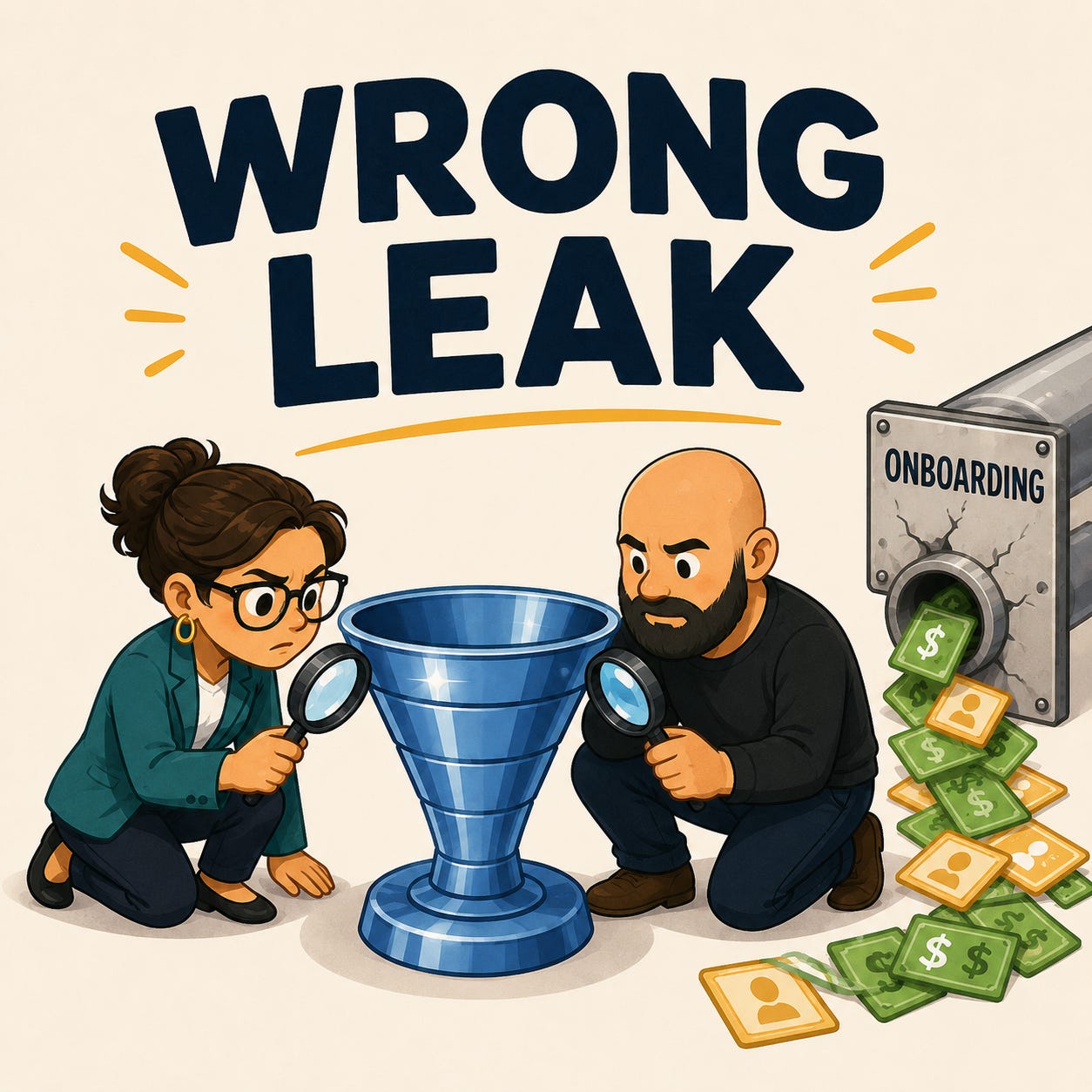
The Pipeline Tax Nobody Is Calculating
The funnel is rarely where the leak lives
Most of the discussions I have with Founders and CEOs start in the wrong place. The founder calls because the GTM process is not working, or the pipeline is weak.
The ask is always the same: come in, fix the pipeline, make it repeatable and give us a path to the number. So I run the discovery, do the diagnostic, audit the funnel, look at ICP, look at outbound, look at branding, look at comp and so on. All of that work is real, but almost none of it is where the actual leak lives.

In most B2B SaaS companies, the biggest pipeline leak is sitting on the onboarding calendar while everyone is staring at the funnel chart.
The prospecting funnel and the sales pipeline gets the audits and the attention but the onboarding process and calendar quietly bleeds the company. For some reason nobody pays much attention to this.
Ramp time is a pipeline tax. The effectiveness of the ramp is the most expensive line item in the org nobody is measuring.
Run the CFO math
A new AE on a $1.2M annual quota carries a $100K monthly target. To hit that, they need to be generating and managing roughly 4 times that in active pipeline at any given time (assuming they have a conversion rate of about 25% - SQL to Closed Won). A rep ramped by month 4 puts two productive quarters of output on the board that year. A rep not ramped until month 9 contributes nothing meaningful for the first two quarters, and the company gets a flat Q3 and a panicked Q4. The pipeline shortfall shows up months before the revenue miss does, which is exactly why nobody connects the two.
Multiply that across 4, 6, or 10 reps in a hiring plan and you have the actual reason the forecast is missing. The hires came in but the ramp curve was too long, and the pipe ran out of weeks before the new reps were ever able to fill it.
That is the conversation any CRO or front line sales leader has to walk into the room and force. Once the CFO sees a single slide that puts a dollar figure on slow ramp, the conversation about onboarding stops being a culture conversation and starts being a revenue and forecast conversation.

Where the math finally works
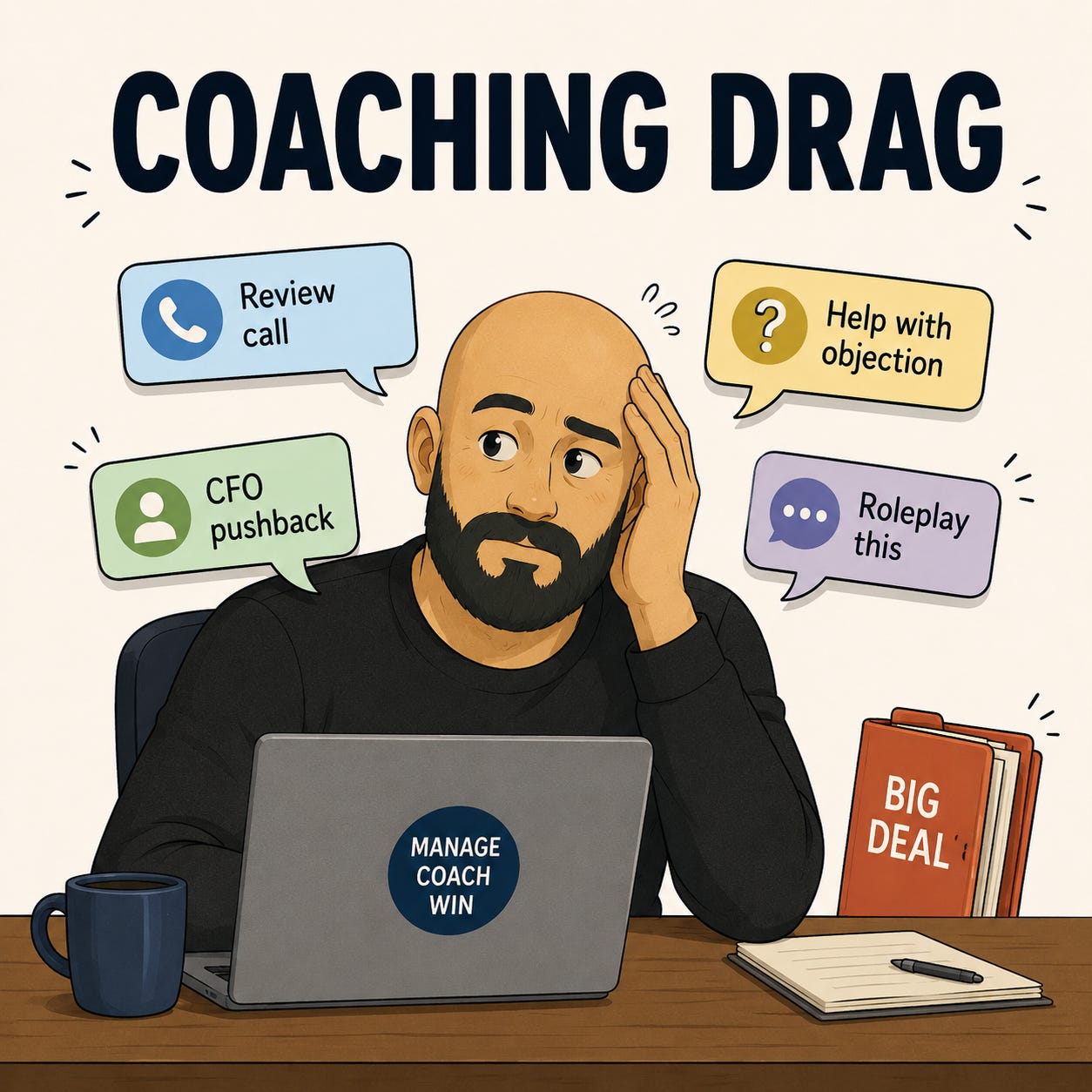
No leader, full-time or fractional, has the hours in the week to personally run role plays with every new hire and sit on every disco call. The classic ride-along coaching model breaks the moment your team is remote, multi-product, or larger than a handful of reps.
I am a big fan of Avarra, which is AI avatar based role play, training and simulations for sales reps. You capture how your best AE actually runs a discovery call, an objection moment, a CFO pushback, or a procurement curveball, and every other rep on the team gets to drill those exact moments on demand, with feedback, before they burn real opportunities.
The certification piece is what changes the math. Reps go live when they can hold a real conversation, not when HR ticks a box on the onboarding tracker. The second-order effect is the one nobody puts in the ROI deck: managers stop spending half their week on basic call coaching and start spending it on deal strategy, which is what they were hired to do in the first place.
If your average AE was ramping at 9 months and you can compress that to 4 or 5, you have unlocked 4 to 5 additional months of productive selling per hire. On a 6-rep plan, that is roughly 25 rep-months of selling capacity that simply did not exist in your old number.
The Week 1 Move
Walk in and do a ramp audit instead of immediately focusing on the sales pipeline and prospecting. What has the ramp curve actually looked like for the last six hires? Are they now delivering? Was it a speed issue or an effectiveness issue, or both? How is readiness being certified before reps go live, or is it just a checkbox on a tracker? Who is doing the coaching, and how much of that manager’s week is it eating? And the question that ends the conversation: what is one quarter of slow ramp costing the company?
Then write down the dollar figure. The founder who has been telling everyone the problem is pipeline will see, often for the first time, that the bleed is upstream and it is sitting on their own onboarding calendar.
Revenue leaders who understand this and focus on ramping and team development will win.
If you happen to be a Fractional CRO like me, get good at this argument and you will get extended, renewed, and referred. The ones who keep walking in with pipeline audits keep getting compared on price.
GTM is your only moat, and it doesn’t work without an effectively and quickly ramped team. Most companies will keep paying the ramp tax because nobody on the inside has the leverage or the math to challenge it.
Forward this to the founder or CRO who keeps telling you their problem is pipeline.
P.S. If you want an introduction to the team at Avarra, DM me.
Why GTM or GTFO Exists: The GTM is bar is low - big talkers, best practices and bullshit. Being elite is your moat. Do the work that matters and get sh!t done.
If this was valuable, please share it or DM me. GTM or GTFO comes out every Saturday. See you next week.
I've sat in reviews where close rates got optimized for two quarters while the real issue was that the top of funnel was full of accounts that were never going to buy. The pipeline number tells you there's a problem. It doesn't usually tell you where the problem is.